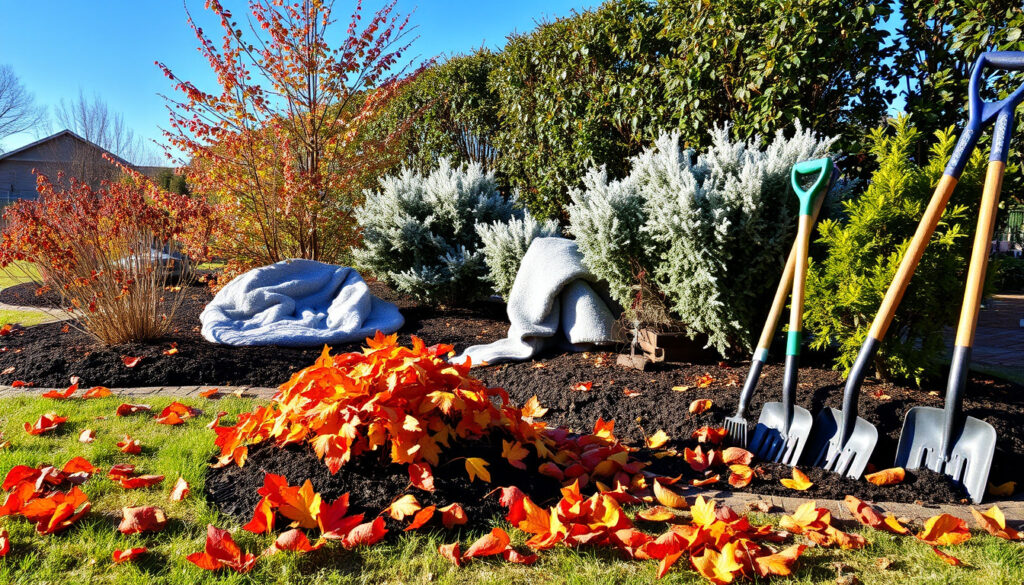
How to Winterize Garden – Essential Steps for Fall
How to Winterize Your Garden: Essential Steps for Fall
As temperatures drop and frost approaches, gardeners face the critical task of protecting their outdoor investments. Winterizing your garden involves safeguarding soil, plants, and infrastructure to ensure healthy regrowth when warmer weather returns. This comprehensive guide covers essential preparations for garden beds, containers, vegetable plots, flower gardens, and irrigation systems.
The work invested in fall garden preparation directly impacts spring success. Proper winterization prevents soil erosion, protects perennial root systems, and reduces the likelihood of pest and disease problems emerging next season. Whether you maintain raised beds, container gardens, or traditional in-ground plots, understanding the specific needs of each garden element helps maximize plant survival rates through freezing conditions.
How to Winterize Garden Beds
Garden beds require systematic preparation before winter sets in. The foundation of successful winterization lies in understanding local frost dates and timing protection measures accordingly. According to agricultural extension resources, applying protective measures too early can sometimes prove counterproductive, while waiting too long risks irreversible damage to vulnerable plants.
Apply mulch after the first hard freeze occurs, not before. Premature mulching can trap warmth and encourage late-season growth that becomes vulnerable to frost damage.
Essential Garden Bed Tasks
Remove spent annuals and eliminate weeds before dormancy
Ensure adequate soil moisture before freezing temperatures
Insulate soil and plant roots against temperature extremes
Winterize water systems to prevent pipe damage
Soil Protection and Mulching
The most critical winterization step involves applying a protective mulch layer to garden beds. Once the first hard freeze occurs, apply 2 to 4 inches of organic mulch around plants, keeping the material a couple of inches away from plant stems to prevent rot and rodent damage. For northern perennials in colder climates, use a 4- to 6-inch layer of non-matting organic materials such as straw, shredded leaves, or pine needles to insulate soil against freeze-thaw cycles.
Before freezing temperatures arrive, ensure soil around plants has adequate residual moisture. If fall rainfall has been scarce, deeply water landscape plants every week or 10 days until the first hard freeze. Well-hydrated soil retains heat better and protects root systems more effectively than dry soil.
Pro Tips from Garden Experts
- Mow lawns to approximately 3 inches before winter dormancy
- Plant cover crops like barley, peas, or clover in empty vegetable beds
- Remove diseased plant portions rather than composting them
- Turn garden beds, leaving soil in large clumps for natural breakdown
- Avoid adding lime or wood ash to beds during fall preparation
- Shred fallen tree leaves and till them into soil at shallow depth
- Rake beds to remove debris and stones, then level the soil surface
| Task | Timing | Purpose |
|---|---|---|
| Weed beds thoroughly | Pre-frost | Prevent weed seed dispersal and disease harboring |
| Apply mulch layer | After first frost | Insulate soil and protect root systems |
| Water deeply | Pre-frost | Maintain soil hydration for winter survival |
| Turn soil clumps | Late fall | Natural weathering creates fine soil structure |
How to Winterize Plants in Pots and Container Gardens
Container gardens present unique challenges during winter months. Potted plants face greater temperature fluctuations than their in-ground counterparts because containers lack the insulating mass of surrounding earth. According to gardening experts, the soil in containers can freeze solid within days of a hard freeze, potentially damaging or killing plant roots that would normally survive in garden beds.
Insulating Container Plants
For container plants that must remain outdoors during winter, insulate pots with straw, burlap, blankets, or bubble wrap, then group them together in protected locations such as near building walls or under covered patios. This clustering technique creates a microclimate that offers several degrees of protection compared to exposed areas. In warmer climates where hard freezes remain infrequent, keep protective coverings readily accessible for unexpected frost events.
Terra cotta and ceramic pots are particularly vulnerable to cracking during freeze-thaw cycles. Consider moving these containers to sheltered locations or wrapping them with insulating materials.
Moved Indoors Plants
Tropical plants, succulents, and other frost-sensitive species require indoor winter quarters. Gradually transition these plants indoors over several weeks to minimize shock. Inspect thoroughly for pests before bringing them inside, as indoor environments offer few natural predators for garden insects. Place moved plants near south-facing windows and reduce watering frequency during the darker winter months when growth slows considerably.
Winterizing Your Vegetable Garden
Vegetable gardens require distinct approaches depending on what crops remain planted and regional climate conditions. Some vegetables tolerate cold weather and can remain in place through winter, while others need removal or protection to prevent complete loss.
Root Vegetables and Cold-Hardy Crops
Leave root vegetables like carrots and turnips in the ground through winter in most climates. These crops actually improve with cold exposure as starches convert to sugars, enhancing sweetness. Instead of aerating and raking soil where root vegetables grow, apply a protective mulch or leaf mold layer to lock in moisture and nutrients. The mulch prevents the ground from freezing as deeply, making spring harvest considerably easier.
Tender Summer Crops
Remove spent tomato, pepper, and squash plants entirely once they stop producing. These crops harbor diseases that can overwinter and attack next season’s plantings. Add healthy plant material to compost piles, but dispose of any visibly diseased portions in municipal yard waste rather than home composting. Till bare areas lightly and consider planting winter cover crops to prevent erosion and improve soil structure.
How to Winterize a Flower Garden
Flower gardens demand careful attention to plant-specific needs. Perennials, biennials, and tender bulbs each require different winterization strategies to ensure they return vigorously the following growing season. For additional guidance on seasonal flower care, consulting established gardening resources can provide region-specific recommendations.
Tender Perennials and Bulbs
Tender perennials and newly planted shrubs benefit significantly from winter mulch protection. For ornamental shrubs in cold climates, apply 2 to 3 inches of organic mulch once the ground freezes to help regulate soil temperatures throughout winter. This temperature stabilization prevents the alternate freezing and thawing that heaves plants from soil and tears roots.
For tender tubers like dahlias, lift them from soil before the first frost. Cut the plant leaving approximately 6 inches of stem, then leave the tuber in the ground for a few days to develop new eyes. Carefully dig and remove tubers, place them on cardboard to dry, and store in plastic bags with drainage holes filled with sawdust in a cool, frost-free location.
Frost Protection Techniques
Use lightweight, blanket-like row covers that allow light through but protect against cold for tender plants threatened by early frosts. When heavy snowfall or icing is predicted, cover plants with burlap, canvas, or old sheets, anchoring the covers at the base with stakes, rocks, bricks, or logs. Remove covers and shake off snow or ice once the threat passes to prevent physical damage from accumulated weight.
Never use plastic sheeting directly on plants during freezing weather. Condensation forms beneath plastic and actually increases frost damage rather than preventing it.
Which Plants to Bring Inside for Winter
Determining which plants require indoor winter quarters depends on their cold hardiness and local climate conditions. Tropical and subtropical species generally cannot survive frost and must move indoors, while many perennials benefit from a cold dormant period but cannot tolerate extreme freezes.
Plants That Need Indoor Protection
- Tropical foliage plants including hibiscus, bougainvillea, and palm varieties
- Citrus trees in containers
- Succulents and cacti from warm climates
- Pelargoniums (geraniums) and other tender perennials
- Tropical herbs such as basil, lemongrass, and rosemary varieties
- Potted lavender and other marginally hardy herbs
Transition Tips for Indoor Plants
Move plants indoors gradually over two to three weeks, beginning with nights first and progressively extending indoor time. This gradual transition reduces stress and prevents leaf drop. Check for insects including aphids, spider mites, and mealybugs, treating infestations before bringing plants into heated indoor spaces where they can rapidly multiply.
How to Winterize Your Sprinkler System
Irrigation systems require thorough winterization to prevent costly pipe bursts and component damage. Water remaining in pipes expands dramatically during freezing, creating pressure that can crack fittings, damage valves, and ruin heads. Proper sprinkler system winterization should occur before the first hard freeze of the season.
Draining and Storing Equipment
Turn off the outdoor water supply for the season, leaving the tap open to release pressure and allow any remaining water to drain. Ensure hoses are completely drained, then coil them and store on reels in a garage, shed, or other frost-free location. Dry nozzles thoroughly and store them in a bin to prevent corrosion and debris accumulation.
Rain Barrel and System Components
Empty rain barrels and cover them to prevent debris accumulation and mosquito breeding. For in-ground sprinkler systems, blow out remaining water using compressed air or drain automatic drain valves if equipped. Consult system documentation for manufacturer-specific winterization procedures, particularly for complex drip irrigation setups that may have above-ground components requiring individual attention.
When to Begin Garden Winterization
Timing garden winterization efforts appropriately significantly impacts their effectiveness. Beginning too early can waste effort on tasks that must be repeated, while waiting too long risks exposing vulnerable plants to damaging conditions. The following timeline provides a general framework that gardeners should adjust based on local climate patterns and typical first frost dates.
- Early Fall: Mow lawns to appropriate height, remove spent annuals, and begin weeding beds to eliminate seed-producing plants
- Mid-Fall: Plant winter cover crops in empty vegetable beds, top-dress raised beds with compost, and harvest remaining warm-season crops
- Pre-Frost: Water landscape plants deeply, apply row covers to tender plants, and begin moving frost-sensitive container plants to sheltered positions
- Post-Frost: Apply mulch around perennials, winterize irrigation systems, and complete indoor plant transitions
- Late Fall: Clean and store tools, repair trellises and supports, and assess winterization completeness
USDA plant hardiness zones significantly influence winterization timing. Gardeners in zones 7 and warmer may perform many tasks later in the season, while those in zones 4 and colder should begin preparation weeks earlier than warmer-region counterparts.
What We Know and What Remains Uncertain
Established Information
- Mulching after first frost provides optimal soil protection
- Deep watering before freeze reduces plant stress
- Container plants face greater cold exposure than in-ground specimens
- Cover crops prevent erosion and improve soil structure
- Irrigation systems must be drained to prevent pipe damage
- Tender tubers require lifting before frost
Variables Affecting Approach
- Local frost dates vary significantly year to year
- Microclimates create garden-specific conditions
- Soil drainage affects winter plant survival rates
- Plant hardiness varies within varieties
- Snow cover provides unexpected insulation benefits
- Winter precipitation patterns influence watering needs
Understanding Garden Winterization
Garden winterization represents more than simply protecting plants from cold. It encompasses soil health maintenance, pest cycle interruption, infrastructure preservation, and strategic planning for the coming growing season. The practices developed over generations of gardening reflect accumulated wisdom about how natural systems behave during dormancy periods.
Successful winterization acknowledges that gardens exist within broader ecological contexts. Beneficial soil organisms, pollinators sheltering in plant debris, and predator insects overwintering in garden nooks all deserve consideration when preparing spaces for cold weather. Balancing tidiness with ecological awareness creates gardens that support both productivity and environmental health throughout the year. Building healthy soil through proper amendments and organic matter provides long-term benefits that extend beyond seasonal protection.
The effort invested in fall preparation pays dividends extending well beyond immediate frost protection. Gardens that enter winter in good condition emerge in spring with healthier soil structure, stronger plant vigor, and reduced pest and disease pressure. This foundation supports more productive growing seasons and more resilient landscapes capable of withstanding environmental stresses.
Expert Perspectives on Winter Garden Care
“Weed your beds and water them generously before the first frost arrives. This hydration carries through winter and supports root health during dry cold periods.”
— Professional gardener, Food52
“Consider planting cover crops like barley, peas, or clover in empty vegetable beds. These plants prevent erosion, fix nitrogen, and improve soil structure naturally over winter months.”
— Community gardening forum member
Preparing for Spring After Winterization
Once winter fully arrives and garden preparation concludes, gardeners can look forward to spring with confidence that their fall efforts will yield results. Early spring brings the reward of watching perennial plants emerge from protection and assessing winter damage on borderline-hardy specimens. Testing soil composition helps determine amendment needs before planting begins, while reviewing notes from the previous season guides crop rotation planning for vegetable gardens.
The cycle continues with each passing year, as gardeners refine their winterization approaches based on observed outcomes. Weather patterns, plant performance, and emerging gardening techniques all inform refinements to seasonal preparation routines. 5 Steps to Winterize Your Garden provides additional guidance for specific garden situations and regional considerations.
Frequently Asked Questions
How do I prepare garden beds for winter if I garden in raised beds?
Top-dress raised beds with leftover garden soil or compost to prepare them for early-spring planting. Add a protective layer of straw in raised beds where garlic or other winter crops are planted. Raised beds drain more quickly but also freeze more deeply, so extra mulch protection proves beneficial.
What is the best mulch material for winter garden protection?
Three primary materials work well: compost offers excellent soil enrichment but requires months to prepare; leaf mold provides a middle ground requiring planning but less time than compost; shredded leaf mulch offers immediate application with moderate nutrient benefits. Apply 5-7 inches of any material for optimal protection.
Should I water my garden before winter arrives?
Yes, deeply water landscape plants every week or 10 days until the first hard freeze if fall rainfall proves scarce. Well-hydrated soil retains heat better and protects root systems more effectively than dry soil during winter months.
When should I bring potted plants inside for winter?
Move tropical and frost-sensitive plants indoors before the first expected frost. Begin transitioning them gradually over two to three weeks, starting with nights first. Inspect thoroughly for pests before bringing them inside heated living spaces.
How do I prevent pipes from freezing in my garden irrigation system?
Turn off the outdoor water supply, leaving the tap open. Drain all hoses completely and store them in frost-free locations. For underground sprinkler systems, blow out remaining water with compressed air or open automatic drain valves.
Can I leave carrots and other root vegetables in the ground through winter?
Yes, root vegetables like carrots and turnips can remain in ground through winter in most climates. Apply protective mulch over the area to prevent deep freezing and make spring harvest easier. These crops often develop improved sweetness after cold exposure.
What cover crops work best for winter vegetable gardens?
Barley, peas, and clover work well as winter cover crops. These plants prevent soil erosion, fix atmospheric nitrogen, and improve soil structure naturally. Plant them in empty vegetable beds during early fall to allow establishment before cold weather arrives.
More related posts
 NRL Live Score – Official Updates, Stats & Tonight’s Games 2026
 Shirlie Kemp – Biography, Net Worth and Family Life
 Pho Near Me – Best Authentic Spots In Orange County
 Lee Jun-Ho – Biography, Net Worth, Dramas and Career Facts
 Gold Price AUD – Live Spot Per Gram Oz Kg
 Somerton Road Medical Centre – Bulk Billing GPs Roxburgh Park
 Lili Reinhart – Age, Height, Partner Jack Martin, and More
 Crystal Maze – TV Show, Live Experience & Ticket Guide