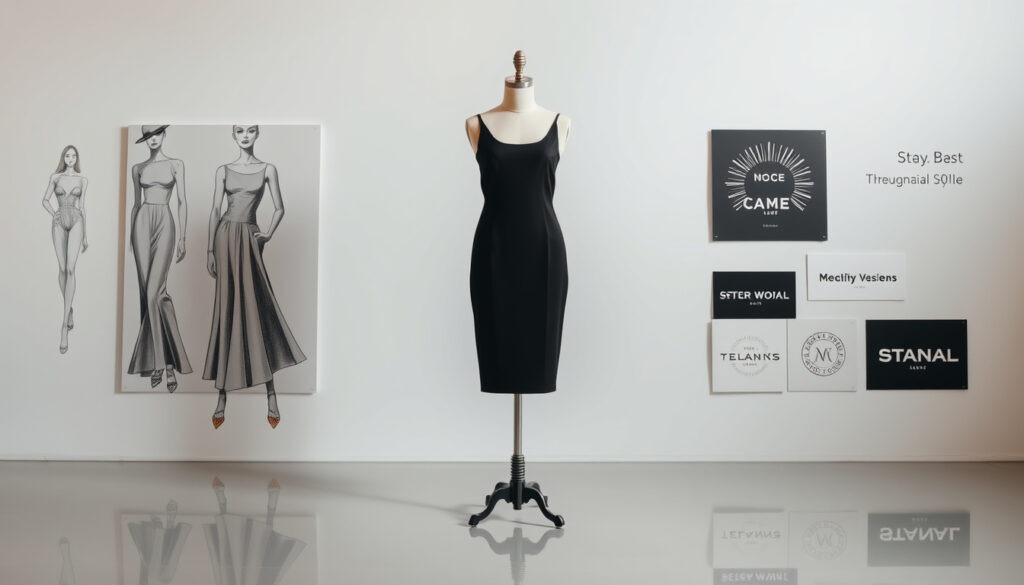
Little Black Dress – 2025 Guide to History, Style and Brands
A simple black dress might not sound revolutionary, but the little black dress—known universally as the LBD—has been a defining piece in women’s wardrobes for nearly a century. From its debut in a 1926 issue of Vogue to the racks of modern high-street stores, the LBD has become shorthand for versatility, elegance, and quiet confidence. This guide traces its origins, explores the best brands and styles for 2025, and answers the most commonly asked questions about dressing for parties, work, weddings, and even the fragrance that shares its name.
The little black dress is not a single design but an idea: a simple, usually short black dress that is easy to style, affordable at many price points, and appropriate for a wide range of occasions. Fashion historians credit Coco Chanel with popularising the modern concept in the 1920s, though black dresses had existed long before as garments of mourning, modesty, or service. What Chanel did was reframe black as chic, modern, and desirable rather than purely sombre or practical. For more deep dives into iconic fashion moments, explore our fashion history features.
Today the LBD is one of fashion’s most enduring categories. It appears in luxury collections from Chanel and Givenchy, in mid-range edits from Reiss and COS, and on fast-fashion sites such as Zara and Oh Polly. It also lends its name to a floral amber fragrance by Avon and, in some local contexts, to events such as the so-called Little Black Dress Bolton gathering. This article covers all those angles with sourced information and practical shopping guidance for 2025.
What is the history of the little black dress and how did Chanel popularize it?
Little black dress (LBD) is a timeless wardrobe staple popularized by Coco Chanel in the 1920s.
Chanel, Zara, Oh Polly, River Island, and Vogue-curated pieces offer options for every budget.
Perfect for parties, dinners, weddings, and formal events – styling tips for each.
‘Little Black Dress’ is also a popular Avon perfume – learn more about it.
The story of the little black dress as we know it begins in 1926. In October of that year, American Vogue published a drawing of a simple, long-sleeved black crepe dress by Coco Chanel and called it “Chanel’s Ford,” a reference to the Model T car that was affordable, practical, and built for mass appeal. The comparison was deliberate: Vogue predicted the dress would become a uniform for modern women.
Key insights
- The little black dress was democratized by Coco Chanel in 1926 and has remained a fashion essential for nearly a century.
- High-street brands like Zara, Oh Polly, and River Island offer trending LBDs under £100, while luxury options from Chanel and others remain aspirational.
- ‘Little Black Dress’ perfume by Avon (launched 2008) is a separate entity from the dress concept, often searched together due to brand name overlap.
- ‘Little Black Dress Bolton’ appears to refer to a local event or venue in Bolton, UK – likely a party or dinner event that leverages the LBD theme.
- The LBD became popular during the Great Depression because it was economical, and it continued during World War II due to textile rationing.
Black dresses had existed before Chanel, but they carried different meanings. In the 19th century, black was predominantly worn for mourning, by domestic workers, or as a signal of religious modesty. Chanel’s innovation was to strip away those associations and present black as a sophisticated neutral. Her design was deliberately minimal—no embellishment, a straight silhouette, and a length that fell below the knee. It was intended to be accessible across class lines, a dress that any woman could wear and adapt with accessories.
The LBD gained further traction during the 1930s and 1940s. The Vogue archive shows how the style evolved through wartime austerity and postwar glamour. In the 1950s, Christian Dior’s New Look introduced fuller skirts, but the little black dress remained a staple in Hollywood and eveningwear. Audrey Hepburn’s Givenchy LBD in Breakfast at Tiffany’s (1961) cemented its place in popular culture. By the 1990s, minimalist versions from Calvin Klein and slip dresses had entered the mainstream, and in the 2000s bodycon styles from Herve Leger reimagined the LBD for nightlife.
| Fact | Detail |
|---|---|
| Origin | Popularized by Coco Chanel in a 1926 Vogue illustration (called “Ford” dress) |
| Key Designer | Coco Chanel (also later reinterpreted by Givenchy, Dior, YSL) |
| Common Styles | Mini, bodycon, A-line, wrap, long-sleeve, lace, satin |
| Occasions | Cocktail parties, weddings, funerals, work events, date night |
| Price Range | From $30 (Zara) to $5,000+ (Chanel) |
| Related Product | Avon’s ‘Little Black Dress’ perfume (floral amber scent) |
| Event Name | ‘Little Black Dress Bolton’ – a possibly annual party or restaurant event in Bolton, UK |
Where can I buy a little black dress from Zara and other high-street brands?
High-street options for 2025
For shoppers looking for an affordable little black dress, high-street brands offer the widest selection. River Island’s LBD collection includes fitted, bodycon, and long-sleeve styles that work for parties and evenings out. Oh Polly specialises in trend-led, curve-hugging silhouettes popular on social media. Club L London provides occasionwear with cut-outs, satin finishes, and embellished details at mid-range prices.
Zara remains a go-to for affordable, fashion-forward black dresses. The retailer updates its LBD offering every season, typically including mini, midi, and long-sleeve variations in fabrics such as crepe, viscose, and cotton blends. Prices generally fall between $30 and $90, making Zara one of the most accessible options for a current-style LBD in 2025. Other high-street names worth checking include Mango, & Other Stories, H&M, and Marks & Spencer, all of which maintain dedicated LBD edits.
Luxury and mid-range alternatives
At the luxury end, Chanel continues to produce its own versions of the little black dress each season, though prices start well above $2,000. Other designer houses such as Givenchy, Dior, Saint Laurent, Prada, and Valentino also offer elevated LBDs in silk, wool, and crepe. For shoppers seeking a balance between quality and cost, mid-range brands such as Reiss, Ted Baker, Maje, Sandro, Self-Portrait, Karen Millen, COS, and Massimo Dutti provide structured, well-fitted options that often use better fabrics than fast fashion. You can also browse our curated buying guides for more recommendations.
The fabric of a little black dress significantly affects its appearance. Crepe and wool blends drape well and resist wrinkling, making them suitable for work and formal events. Satin and silk work for evening occasions but require careful handling. Ponte is a sturdy knit that holds its shape, while velvet adds a rich texture for winter parties. Checking the fabric composition before buying helps avoid dresses that look cheap after a few wears.
What are the best little black dresses for a party?
Styles that work for nightlife and celebrations
For parties, the little black dress typically takes a fitted or flirtatious shape. Bodycon and slip styles are the most common choices for cocktail parties, club nights, and New Year’s Eve celebrations. A shorter hemline, often above the knee, paired with statement accessories creates a look that reads as festive rather than formal. Sequins, lace trim, or cut-out details can elevate the dress for high-energy events without requiring additional embellishment.
The “Little Black Dress Bolton” event, while not widely documented in national sources, appears to refer to a local gathering in Bolton, UK—possibly a themed party, dinner, or venue-based occasion that encourages guests to wear an LBD. The dress code for such events is typically cocktail or smart casual, making a standard party LBD appropriate. Because no verified official source has been found in top search results, the exact nature of the event remains uncertain, but the concept fits the broader pattern of LBD-themed socials.
A little black dress designed for parties should be comfortable enough to wear for several hours, easy to move in, and compatible with your existing accessories. Before buying, check whether the dress allows you to sit, dance, and reach without pulling across the shoulders or hips. If the fabric is thin, consider seamless underwear or shapewear to ensure a smooth silhouette under bright party lighting.
Occasion-specific recommendations
For wedding guests, a knee-length or midi LBD with a modest neckline and refined fabric is generally acceptable in Western dress codes, though some cultures or specific invitations may advise against black. For office parties and work events, structured styles with long sleeves or higher necklines strike a more professional tone. For funerals or memorials, a modest black dress in a matte fabric such as crepe or wool is considered respectful.
What is Little Black Dress perfume and is it related to the fashion icon?
The name “Little Black Dress” also belongs to a fragrance launched by Avon in 2008. The perfume is a floral amber scent, described by the brand as sophisticated and capturing the essence of the iconic wardrobe staple. According to Avon’s product description, the fragrance is intended to evoke the same timeless, versatile quality as the dress itself.
The perfume is a separate product from the clothing concept, but the brand name overlap means the two are frequently searched together. Avon still sells the Little Black Dress fragrance through its representatives and online resellers, though availability varies by region. No official statement from Avon indicates that the perfume has been discontinued, but shoppers may find that certain markets carry limited stock.
What are the best long-sleeve little black dresses for work and evening?
Why long sleeves matter
A long-sleeve little black dress serves double duty: it is formal enough for office settings and elegant enough for evening events. The extra coverage makes it suitable for conservative dress codes, winter occasions, and situations where bare arms may feel inappropriate. Many brands now offer long-sleeve LBDs in midi and knee-length cuts, using fabrics such as ponte, crepe, and fine knit.
Brands to consider
For affordable long-sleeve options, Zara and Mango regularly stock slim-fit and A-line silhouettes with long sleeves. COS and Massimo Dutti offer minimalist designs in higher-quality fabrics, often with tailoring details such as darts and seaming. At the mid-range level, Reiss and Karen Millen produce structured long-sleeve dresses that transition easily from desk to dinner. Luxury brands such as The Row and Alexander McQueen also produce long-sleeve LBDs, but at significantly higher price points.
Long-sleeve little black dresses require careful attention to sleeve length and armhole fit. The shoulder seam should sit exactly at the edge of the shoulder, and the sleeve should allow full arm movement without pulling across the back. A dress that fits well at the shoulders but is too tight through the upper arms will be uncomfortable and may restrict movement during a workday or evening event.
How has the little black dress evolved over time?
- 1926 – Coco Chanel’s design featured in Vogue, called the “Ford” dress for its versatility.
- 1930s–1940s – LBD becomes a staple for women of all classes during wartime rationing.
- 1961 – Audrey Hepburn wears Givenchy LBD in Breakfast at Tiffany’s – an iconic moment in cinema and fashion.
- 1990s – Minimalist LBDs from Calvin Klein and DKNY emerge; slip dresses become a trend.
- 2000s – Bodycon and bandage dresses from Herve Leger reimagine the LBD for club culture.
- 2008 – Avon launches the Little Black Dress perfume, a floral amber fragrance.
- 2025 – The LBD continues as a retail category with sustainable fabrics, inclusive sizing, and broad e-commerce availability.
What is known and what remains unclear about the little black dress?
| Established information | Information that remains unclear |
|---|---|
| Coco Chanel popularised the modern LBD in 1926 via Vogue. | Whether black dresses existed before Chanel in a non-mourning context – they did, but the modern concept is Chanel’s. |
| Avon’s Little Black Dress perfume launched in 2008 and is still sold through representatives and online resellers. | Exact availability of the perfume varies by region; it has not been officially discontinued but stock may be limited. |
| The LBD is appropriate for weddings in most Western contexts if styled modestly. | Some cultures and specific dress codes advise against black at weddings; checking the invitation is recommended. |
| ‘Little Black Dress Bolton’ likely refers to a local event or venue in Bolton, UK. | No verified official source confirms the nature, frequency, or organiser of this event. |
Why does the little black dress remain relevant in 2025?
The little black dress endures because of its versatility. It works for almost any occasion with the right accessories, from a day at the office to a formal gala. Market saturation means nearly every fashion brand—luxury and fast-fashion alike—offers an LBD, making it a hyper-competitive search category with options at every price point.
Culturally, the LBD carries weight beyond clothing. It symbolises modernity, independence, and timeless style, reinforced by iconic images from Chanel to Hepburn to contemporary influencers. Search behaviour reveals that users frequently mix fashion shopping queries with perfume and event searches, indicating that the LBD brand extends across product categories.
What do fashion sources say about the little black dress?
“Chanel’s ‘Ford’ dress—a simple, long-sleeved, black crepe dress with a narrow skirt—was called ‘the frock that all the world will wear’.”
Vogue, 1926
“The Givenchy LBD became the most famous dress in cinema history.”
Audrey Hepburn in Breakfast at Tiffany’s, 1961
“‘Little Black Dress’ is a sophisticated floral amber fragrance that captures the essence of the iconic wardrobe staple.”
Avon product description, 2008
What’s next for the little black dress?
Three trends are likely to shape the next phase of the LBD. Sustainable and ethically made black dresses are gaining search share as eco-conscious shopping rises. AI-powered styling tools and virtual try-ons for LBDs are expected to appear on e-commerce platforms, allowing shoppers to visualise fit and styling before purchase. The Little Black Dress fragrance by Avon may see limited-edition re-releases or flanker versions, though no official announcements have been made.
Frequently Asked Questions
Is Little Black Dress a perfume?
Yes, Avon launched a fragrance called ‘Little Black Dress’ in 2008. It is a floral amber scent and is still sold through Avon.
What is the best little black dress for a wedding guest?
A knee-length or midi LBD with a modest neckline and elegant accessories works well. Avoid overly casual or bodycon styles unless the dress code is explicitly cocktail.
Why is it called ‘Little Black Dress’?
The term ‘Little Black Dress’ (LBD) was coined after Coco Chanel’s 1926 design. The ‘little’ refers to its simple, minimal shape and wide accessibility.
Can men wear a little black dress?
Fashion is genderless. Some designers offer unisex LBDs, and anyone can wear a black dress if they choose.
What type of shoes go with a little black dress?
Heels (stilettos, pumps, block heels), flats (ballet, loafers), or ankle boots depending on the occasion and style.
What does Little Black Dress perfume smell like?
Avon describes it as a sophisticated floral amber fragrance. It blends floral notes with warm amber for a versatile, evening-appropriate scent.
Can I wear a little black dress to a funeral?
Yes, a modest black dress in a matte, non-shiny fabric such as crepe or wool is considered appropriate for funerals and memorials.
How do I style a little black dress for work?
Choose a knee-length or midi style with long sleeves or a higher neckline. Add a blazer, low heels, and minimal jewellery for a professional look.
Is the little black dress still in style in 2025?
Yes. The LBD remains a fashion staple and is available in every season from high-street and luxury brands alike.
More related posts
 Hotels in Melbourne – Top Picks by Neighborhood 2025
 Tennis Shoes 2025 – Best Picks for Men, Women and All Courts
 Crystal Maze – TV Show, Live Experience & Ticket Guide
 Boat Insurance Cost – UK Prices, Factors & Cheap Quotes
 Wicked for Good – How the Campaign Supports Children’s Hospitals
 Julie Goodwin Weight Loss – Facts and Recent Updates
 Hub24 Share Price – Live Quote, Analyst Forecasts & Key Metrics
 Sam Worthington Movies – Full Filmography In Order