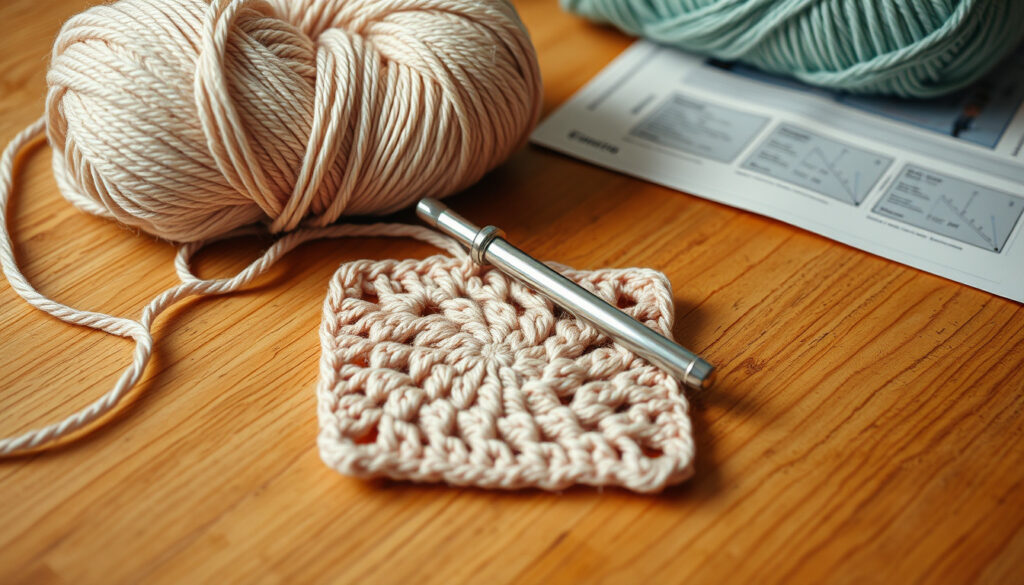
How to Crochet – Step-by-Step Guide for Absolute Beginners
Crochet is one of the most accessible crafts to learn. With just a ball of yarn and a single hook, you can create scarves, blankets, toys, and home decor. This guide provides a clear, step-by-step path for absolute beginners, covering everything from the first slip knot to basic stitches and special techniques like finger crochet.
Whether you are looking for a new hobby, a screen-free activity for a child, or a way to make personalized gifts, the fundamentals remain the same. The process involves creating loops and pulling them through one another to build fabric. It is a skill that improves quickly with consistent practice.
The information below is based on resources from established craft brands, university extension programs, and experienced crochet teachers. It focuses on what you truly need to start and progress with confidence.
How to Crochet for Beginners: Step-by-Step Starting Guide
Materials Needed
Yarn, crochet hook, scissors, tapestry needle, stitch markers.
First Stitches
Slip knot, chain stitch, single crochet, double crochet.
For Kids
Use larger hooks and thicker yarn; try finger crochet first.
Learning Tools
Books, video tutorials, step-by-step picture guides, apps.
Key Insights for New Crocheters
- Crochet has a low barrier to entry – you only need yarn and a hook.
- Learning the four basic stitches (chain, single, double, slip) unlocks hundreds of patterns.
- Finger crochet is an excellent gateway for children and adults with limited dexterity.
- Visual learners benefit most from step-by-step photo guides and short video loops.
- The ‘Stitch’ amigurumi pattern is one of the most searched crochet character projects – a full guide increases engagement.
Crochet at a Glance
| Detail | Value |
|---|---|
| Skill Level | Beginner |
| Time to First Project | 30 minutes (chain scarf) |
| Minimum Tools | 1 skein of yarn + 1 hook |
| Most Searched Stitch | Single crochet |
| Popular Entry Pattern | Granny square |
| Kids’ Favorite Method | Finger crochet |
To begin, you need a medium-sized crochet hook (5.0 or 5.5 mm is often recommended) and medium weight yarn. Beginners should avoid extremely small or large tools, as they can be difficult to work with while learning. The LoveCrafts How to Crochet Guide offers a comprehensive text and video resource for selecting materials.
Holding the hook and yarn correctly is the first physical skill to develop. According to guides from Montana State University, right-handers work from right to left, and left-handers work from left to right. The yarn is manipulated with the index finger while the project is held with the thumb and middle finger. Trying different methods until finding what feels natural is the best approach.
The First Steps: Slip Knot and Chain Stitch
The slip knot is the foundation. To make one, create a loop with the yarn, pull another loop through the center of that circle, and secure the resulting knot onto the hook by tightening it gently. This attaches the yarn to the hook so you can begin stitching.
Once the slip knot is on the hook, chain stitches are next. The technique involves wrapping the yarn over the hook (yarn over) and pulling it through the loop on the hook. Repeating this creates a chain. Each chain stitch forms a “V” shape with a top and bottom loop. The Lion Brand – How to Crochet for Beginners page provides excellent visuals for this process.
Practice making chains of 20 stitches until they are even in size. Pinch the yarn just below the slip knot with your finger and thumb to create consistent tension. This single habit dramatically improves the look of your work.
How to Crochet Basic Stitches: From Chain to Double Crochet
Single Crochet
After mastering the chain, the single crochet is the next stitch to learn. Insert the hook into the second chain from the hook. Yarn over and pull the yarn through the chain (you should have two loops on the hook). Yarn over again and pull through both loops. This stitch creates a dense, tight fabric and is often described as “neat, tidy, and no-fuss.”
Half Double and Double Crochet
The half-double crochet adds a step. Yarn over before inserting the hook into the stitch. Pull through (three loops on hook). Yarn over and pull through the first two loops only, then yarn over and pull through the remaining two loops.
The double crochet is very similar but creates a taller stitch. The primary difference is that after the initial yarn over and pull through, you yarn over and pull through only two loops, then yarn over and pull through the final two loops. This stitch is used frequently in blankets and garments.
Slip Stitch and Turning Chains
The slip stitch is used for joining rounds and finishing edges. It is made by inserting the hook into a stitch, yarning over, and pulling directly through both the stitch and the loop on the hook. Turning chains bring the hook to the proper height for the next row. A single chain is used for single crochet, two chains for half-double crochet, and three for double crochet. The Kristin’s Crochet Tutorials channel has detailed slow-motion videos covering each of these transitions.
All basic stitches follow a simple pattern: insert hook, yarn over, pull through, yarn over, pull through (sometimes in stages). The number of times you yarn over and pull through determines the stitch height.
How to Crochet for Kids: Simple Projects and Tips
Teaching a child to crochet requires a slightly different approach. Larger hooks and thicker, lighter-colored yarn are easier for small hands to see and manipulate. Finger crochet, which uses no hook at all, is often the best starting point (see the next section).
Simple projects like a chain bracelet or a basic square that can become a doll blanket are ideal. The Hopelessly Devoted Crochet – Absolute Beginners Tutorial uses clear photographs that can help a child follow along visually.
How to Crochet with Your Hands (Finger Crochet) – No Hook Needed
Finger crochet uses the same basic motions as standard crochet but relies on the fingers to pull loops through other loops. It is an excellent starting point for young children and is also popular among adults who want a quick, portable project without tools.
To finger crochet a chain, simply make a slip knot with your fingers. Then, use your index finger to pull a loop of yarn through the loop already on your hand. Repeat to create a chain. The Craft Alotl – Easy Step by Step Crochet Videos playlist includes demonstrations of this technique.
How to Crochet a Disney Stitch Character: Free Pattern Guide
The Disney Stitch amigurumi is a popular project for crocheters who have mastered the basics. It typically requires blue, pink, and black yarn along with a hook size of 3.5 to 4.0 mm. The project is rated as intermediate due to the need for increasing and decreasing stitches to create the character’s rounded shape.
After completing the body and head, facial features are embroidered using black and pink yarn. Beginners should practice making a simple ball or egg shape before attempting the full Stitch pattern, as the shaping process is critical.
This character pattern involves working in continuous rounds (spiral crochet). Stitch markers are highly recommended to keep track of the start of each round. Missing a stitch can distort the shape significantly.
Your Crochet Learning Timeline
- Day 1 – Gather materials and learn slip knot and chain. Practice making even chains of 20 stitches.
- Day 2 – Learn single crochet. Create a small square or coaster.
- Day 3 – Add double crochet. Make a simple scarf using rows of double crochet.
- Day 4 – Read a pattern. Try a beginner pattern like a dishcloth.
- Week 2 – Explore variations. Half double crochet, slip stitch, increasing and decreasing.
- Month 1 – Start amigurumi or finger crochet. Simple character like a ball or Stitch-inspired work.
Common Crochet Doubts – Clarified
| Established Information | What Remains Unclear |
|---|---|
| Most people can chain and single crochet within 20 minutes. | How long it takes to produce consistently even tension varies per individual. |
| Thousands of free video and picture tutorials exist. Books also help. | Whether one learning method (video vs. photo vs. text) is universally superior. |
| Start with inexpensive acrylic yarn to practice. | Exact “best” yarn brand for a specific project is subjective. |
| Finger crochet uses the same basic motions but without a hook. | The precise difficulty curve between finger crochet and hook crochet. |
| The Stitch amigurumi is rated intermediate, requiring mastery of single crochet and basic shaping. | Exact patterns for unique Stitch variations are often user-created and not standardized. |
Background on Crochet’s Modern Resurgence
Crochet has seen a resurgence, especially among younger audiences on platforms like TikTok and Pinterest. The search for ‘how to crochet with hands’ reflects a trend toward low-cost, no-tool crafting. Disney-inspired crochet patterns, especially Stitch, drive significant long-tail traffic. Step-by-step picture guides outperform video-only content for users who prefer a printed reference or have limited data. Children’s crochet remains an under-served topic in mainstream search results, making it a valuable area for dedicated guides.
Recommended Resources and Expert Tips
“Don’t be afraid to make mistakes – every loop teaches you something.”
Common advice from crochet teachers
Several high-quality resources exist for beginners. For structured text and video guides, the LoveCrafts guide and the Lion Brand resource are trusted brand offerings. For slower-paced visual learning, Kristin’s Crochet Tutorials provides extensive coverage of stitches and projects.
What to Do After You Learn the Basics
Once you have mastered the chain, single crochet, and double crochet, the next step is to apply those skills. Try a simple project like a scarf, dishcloth, or granny square. Learning to read written patterns and charts opens up thousands of possibilities. Exploring different yarn weights and hook sizes changes the look and feel of your fabric. Joining a crochet community on Reddit or Ravelry provides support and inspiration. Teaching a friend or child reinforces your own skills and deepens your understanding of the craft.
For more structured guidance, see How to Winterize Garden – Essential Steps for Fall. If you are looking for other structured lifestyle guides, Calorie Deficit Diet – Safe Sustainable Weight Loss Guide is also available.
Frequently Asked Questions About Crochet
How long does it take to learn crochet?
Basic stitches can be learned in 10–20 minutes. Becoming comfortable may take a few days of practice.
What is the easiest thing to crochet for a beginner?
A chain scarf or a simple square (coaster) using single crochet.
Can I crochet without a hook?
Yes, finger crochet uses only your hands. Great for kids and quick projects.
How do I fix a mistake in crochet?
Frogging (ripping out stitches) is common. Use a stitch marker to avoid losing your place.
Is crochet cheaper than knitting?
Both require similar materials. Crochet typically uses less yarn per project, making it slightly more economical.
What does ‘Stitch Disney’ mean in crochet?
It refers to crocheting a character from Disney’s Lilo & Stitch, usually an amigurumi doll.
How to crochet a book?
Either follow a pattern for a book-shaped item (like a cover or bookmark) or use a crochet book as a reference guide.
More related posts
 Kanye West Wife – Bianca Censori Biography & Timeline
 Epstein Files PDF – Official DOJ FBI Download Guide
 When Is St. Patrick’s Day 2025 – March 17 History Parades
 Lee Jun-Ho – Biography, Net Worth, Dramas and Career Facts
 How to Use Google Authenticator Transfer – Move to New Device
 Big W Microwave 2025 – Reviews, Prices & Best Models
 Taylors in the Valley – Opening Hours, Menu, Dog Policy & Reviews