Red Wine Ju – A Cla ic Recipe for Perfect Steak Sauce
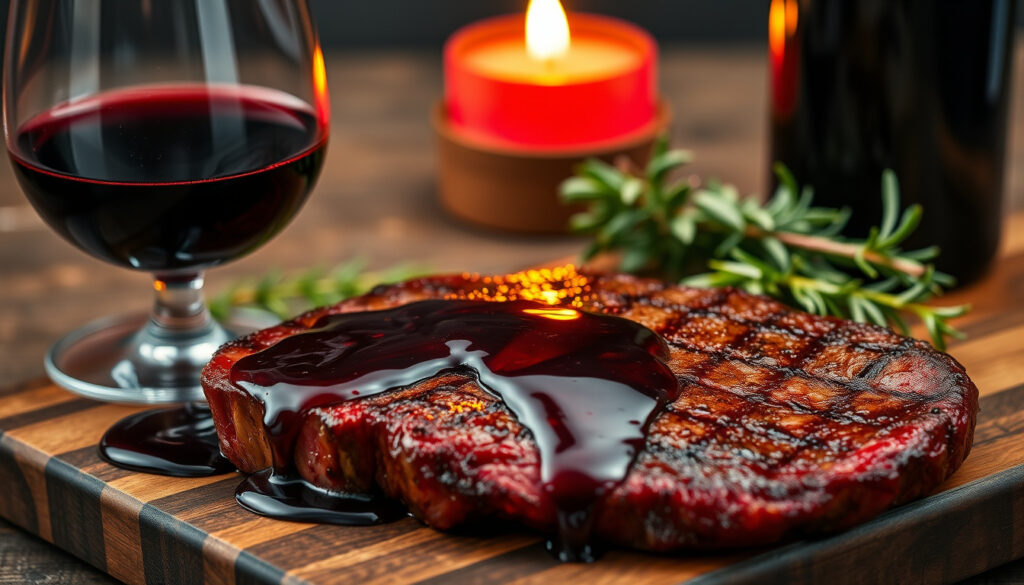
A red wine jus is a quick, glossy sauce for steak or fillet steak made by reducing red wine with stock and aromatics such as shallots, garlic, rosemary, and bay. Many versions finish with butter for shine, and some use a little sugar, cranberry sauce, or redcurrant jelly for balance.
It is naturally gluten-free if you thicken it by reduction or use cornstarch instead of flour, and it can be adapted to vegan by using vegetable stock and skipping butter. This flexibility, combined with its deep, tangy flavor, makes it a staple in both home kitchens and professional restaurants.
Unlike heavier gravies, a red wine jus relies on concentration and emulsification for its body. It is a classic French technique that has been widely adopted by home cooks and celebrity chefs alike, often searched for alongside specific names like Jamie Oliver and Gordon Ramsay.
How to Make Red Wine Jus: Classic Recipes and Variations
- Best For: Steak, beef dishes, fillet steak
- Prep Time: 5–10 minutes
- Cook Time: 15–25 minutes
- Difficulty: Easy to Medium
According to multiple recipe sources, including recipesmadeeasy.co.uk and BBC Good Food, red wine jus is a versatile sauce that enhances beef dishes with a rich, tangy flavor. A quick version can be made in under 15 minutes using beef stock and red wine reduction, making it accessible for weeknight dinners.
- Primary ingredient: dry red wine (e.g., Cabernet Sauvignon, Merlot).
- Key aromatics: shallots (often substituted with onions) and garlic.
- Thickening agent: butter or cornstarch slurry; traditional uses reduction.
- Typical additions: beef stock, fresh thyme, bay leaf, peppercorns.
- Serving temperature: warm, poured over steak or roast beef.
- Storage: can be made ahead and frozen after straining; keeps up to three days in the fridge.
Core Ingredients and Their Roles
| Ingredient | Role in the Jus | Notes |
|---|---|---|
| Dry Red Wine | Base flavor and acidity | Cabernet Sauvignon or Merlot commonly used. |
| Shallots | Aromatic base | Provides a more delicate, restaurant-style flavour than onion. |
| Garlic | Aromatic depth | Adds a savory backbone. |
| Beef Stock | Savory body and richness | Vegetable stock works for vegan adaptations. |
| Butter | Finish, shine, and texture | Swirled in at the end for a glossy, velvety finish. |
| Fresh Thyme | Herbal note | Classic French pairing with red wine. |
| Bay Leaf | Subtle aromatic | Adds complexity during the reduction. |
| Cornstarch | Gluten-free thickener | Used if reduction alone isn’t thick enough. |
How to Make a Quick Red Wine Jus in Under 15 Minutes
The quickest practical version from the sources is straightforward: cook chopped shallot or onion and garlic in butter or oil, add dry red wine, reduce by about half, add stock, reduce again, then strain and finish to taste. This method is consistently described across several recipes.
The Simple Stovetop Method
Start by softening a finely chopped shallot or small onion in a pan with a little butter or oil. Add a clove of minced garlic and cook briefly. Pour in approximately 200ml of dry red wine along with a sprig of thyme and a bay leaf. Let it bubble until reduced by half, then add 200ml of beef stock. Simmer until the sauce lightly coats the back of a spoon. Strain it into a clean pan, swirling in a knob of cold butter if you want a glossy finish.
Choosing Your Ingredients Wisely
Recipes commonly call for a dry red wine; one source specifically notes Cabernet Sauvignon or Merlot as suitable options. For the aromatic base, shallots are used in some versions for a more delicate flavour, while onion is a common simpler substitute that works well in a pinch.
To maximize depth in a short time, use a good quality stock. If you don’t have fresh herbs, a small pinch of dried thyme can substitute. Straining is not strictly necessary if you prefer a rustic texture, but it ensures a silky mouthfeel typical of restaurant-style jus.
What is the Best Red Wine Jus for Steak and Fillet Steak?
Why Red Wine Jus Pairs Perfectly with Beef
Multiple sources describe red wine jus as ideal with beef and steak, including roast beef and premium cuts like fillet. The acidity of the wine cuts through the richness of the meat, while the savory stock reinforces the beefy flavor. One recipe explicitly notes that the jus works beautifully when there are no meat juices left in the pan, making it a reliable choice for grilled or pan-seared steaks.
Wine Selection Guide for the Best Jus
For the most balanced result, stick to a dry red wine. Sweet wines like port or dessert reds can alter the flavor profile significantly, though some cooks do use a little port or sugar. If you prefer a classic approach, Cabernet Sauvignon and Merlot are safe bets that provide structure without overpowering the dish.
Chefs often swirl in a knob of cold butter at the end off the heat. This emulsifies the sauce, giving it a glossy, velvety finish that coats the steak beautifully. For a vegan version, simply omit the butter; the sauce still works because its core flavour comes from wine reduction and aromatics, not meat juices alone.
Where to Buy Red Wine Jus: Tesco and Other Options
While homemade versions yield superior flavor, many supermarkets carry ready-made red wine jus. Tesco, for example, stocks various brands in the condiment aisle. However, availability can vary by location and season, and the flavor profile of store-bought versions often differs from fresh preparations.
If you are short on time, checking the ingredients list is essential. Many pre-made sauces use thickeners or preservatives that change the texture. For a quick fix, some home cooks reduce a store-bought base with extra wine to improve the taste.
Store-bought versions may contain flour-based thickeners, making them unsuitable for gluten-free diets. They also often include added sugar or preservatives. Look for a short ingredient list if you want something closer to the classic French method.
A Step-by-Step Cooking Timeline for Red Wine Jus
- 0-2 minutes: Finely chop one shallot or a small piece of onion and one clove of garlic.
- 2-5 minutes: Sweat the aromatics in a knob of butter or a splash of oil over medium heat until translucent.
- 5-10 minutes: Add 200ml of dry red wine, a sprig of thyme, and a bay leaf. Bring to a boil and reduce by half.
- 10-18 minutes: Pour in 200ml of beef stock. Simmer gently until the liquid has thickened enough to coat the back of a spoon.
- 18-20 minutes: Strain the jus through a fine sieve into a clean pan. Whisk in a tablespoon of cold butter if desired. Season with salt and pepper to taste.
This timeline is based on the method described by multiple sources, including a video demonstration of a classic red wine jus.
Common Questions and Clarifications About Red Wine Jus
| Established Information | Information That Remains Unclear |
|---|---|
| Dry red wine is recommended for balanced flavor. | The exact substitution ratio for port or sweet wine is not standardized. |
| Shallots provide a more delicate flavor than onions. | Whether to use onion or shallot is largely a matter of taste and availability. |
| Jus can be frozen for up to three months after straining. | The exact shelf life in the fridge varies; one source says up to three days. |
| Reduction naturally thickens the jus without flour. | The specific thickness of a “proper” jus is subjective. |
| Vegan adaptation is possible with vegetable stock and no butter. | Whether the sauce achieves the exact same richness is debatable among purists. |
The History and Background of Red Wine Jus
Red wine jus, or sauce au vin rouge, is a classic French sauce traditionally served with red meats. It belongs to the family of “jus” or light sauces that rely on the natural concentration of stock and wine rather than heavy thickeners. Its simplicity allows for deep customization, which is why it remains a favorite in both haute cuisine and home cooking.
The recipe has been popularized by celebrity chefs such as Jamie Oliver and Gordon Ramsay. While the exact recipes from these chefs are not publicly detailed in the provided sources, the style they are known for is consistent with the classic restaurant method: shallots, wine, stock, herbs, reduction, straining, and a butter finish.
Current trends emphasize quick versions and store-bought convenience, but the core technique has remained largely unchanged for decades. Resources such as Food & Wine’s recipe notes reinforce that the sauce relies on the quality of its few ingredients rather than complex steps.
What Chefs and Sources Say About Red Wine Jus
“This easy red wine jus uses red wine as the main flavour so it is ideal to make for dishes when you don’t have any meat juices to add flavour.”
— recipesmadeeasy.co.uk (Dec 2019)
“Create a red wine jus to serve alongside beef dishes. A classic French sauce made with red wine, port and shallots, it’s an ideal topping for steak.”
— BBC Good Food
“This amazing red wine jus. It’s tangy, rich and decadent. The addition of beef stock ensures it stretches far enough that everyone has plenty!”
— kitchensanctuary.com (Sept 2021)
Mastering Red Wine Jus at Home
Making a red wine jus from scratch is a simple yet rewarding technique that elevates any beef dish. Whether you follow a classic recipe, adapt it for vegan or gluten-free needs, or opt for a quick 15-minute version, the core process remains the same: reduce good wine with aromatics and stock. For a detailed guide, you can make red wine jus using the step-by-step instructions from trusted culinary sources.
Frequently Asked Questions About Red Wine Jus
What is red wine jus?
Red wine jus is a light, savory sauce made by reducing red wine with aromatics and often beef stock. It is thinner than a gravy and is classically served with beef dishes.
What is the difference between red wine jus and red wine sauce?
Jus is typically thinner and more liquid, relying on natural pan juices or stock, while sauce may be thickened further with roux or cream. The terms are often used interchangeably in home cooking.
Can I freeze red wine jus?
Yes, red wine jus freezes well for up to 3 months. Cool completely, then store in an airtight container. Reheat gently on the stovetop, whisking to re-emulsify.
Is red wine jus gluten-free?
Generally yes, as long as no flour-based thickener is used. Traditional reduction relies only on wine, stock, and butter. Check store-bought versions for additives.
Can I use a sweet red wine for red wine jus?
Dry red wine is strongly recommended. Sweet wines like Port or dessert reds alter the flavor balance, though a small amount of sugar or jelly can be added to adjust tartness.
Do I need to use shallots?
Not necessarily. Shallots provide a mild, delicate flavor, but onions are a good substitute. If using onions, reduce the quantity slightly to avoid overpowering the wine.
Can I make red wine jus without butter?
Yes, but the sauce will lack some richness and shine. For a vegan alternative, use vegetable stock and a touch of olive oil to finish, or rely on the natural viscosity from reduction.
More related posts
 Kebabs Near Me – Top Local Shops, Halal and Delivery Guide
 Cheech and Chong – Guide to Biography Movies and More
 Gold Price AUD – Live Spot Per Gram Oz Kg
 Little Black Dress – 2025 Guide to History, Style and Brands
 Johnny Mathis – Biography, Age, Height, Ethnicity and Songs
 Mulgrave Private Hospital – Location, Services and Contact Guide
 Adelaide Cup 2026 – Date Field Tickets and Predictions
 Path of Exile 2 – Complete Guide to Release Date and Classes